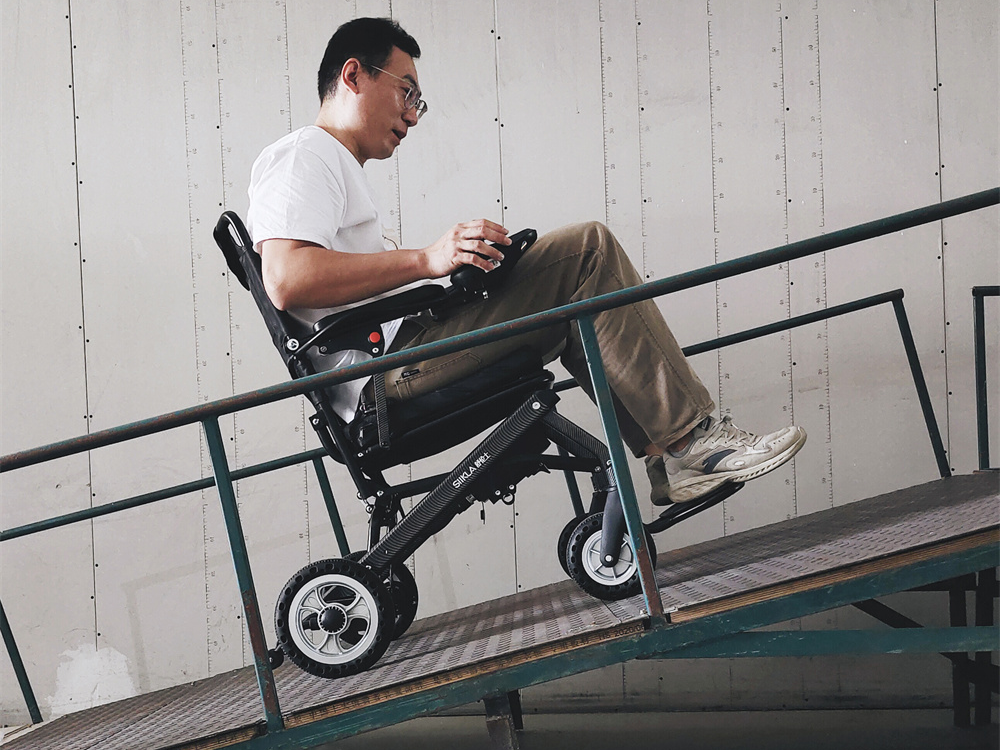
When selecting wheels for a wheelchair—whether manual or electric—the tire type significantly impacts comfort, maintenance, durability, and performance across different terrains. The three most common options are honeycomb wheels (airless with a cellular structure), PU solid wheels (polyurethane solid tires), and pneumatic (air-filled) tires. Each has distinct strengths and trade-offs.
Pneumatic tires are air-filled rubber tires, similar to bicycle or car tires. They use an inner tube (or tubeless design) that you inflate to the recommended pressure.
Key Advantages:
Drawbacks:
Best for: Active users who frequently go outdoors, value comfort on uneven ground, and are willing to handle occasional maintenance.
These are fully solid tires made from durable polyurethane (PU) or similar dense rubber compounds. No air, no tubes—just a solid construction.
Key Advantages:
Drawbacks:
Best for: Indoor or primarily paved use, users prioritizing reliability and zero upkeep, or institutional/rental settings.
Honeycomb wheels feature a solid tire with an internal lattice or honeycomb-like cellular structure (often made of rubber or advanced polymers). This design mimics some pneumatic cushioning without air.
Key Advantages:
Drawbacks:
Best for: Users seeking a middle ground—reliable daily use with enhanced comfort for parks, paths, or light outdoor travel.
| Feature | Pneumatic | PU Solid | Honeycomb |
|---|---|---|---|
| Comfort/Shock Absorption | Excellent | Fair | Good (between the two) |
| Maintenance | High (inflate, repair) | None | None |
| Puncture Risk | High | None | None |
| Weight | Lightest | Heavier | Moderate |
| Durability | Good (with care) | Excellent | Excellent |
| Best Terrain | Outdoor/uneven | Indoor/smooth | Mixed indoor-outdoor |
| Ideal User | Comfort-focused, active | Low-effort reliability | Balanced versatility |
There’s no universal “best” wheel—it depends on your lifestyle. Choose pneumatic for maximum comfort on varied terrain if you can manage upkeep. Opt for PU solid for ultimate simplicity and durability in controlled environments. Go with honeycomb for a smart compromise that delivers puncture-free peace of mind with noticeably better ride quality.
Consider factors like your primary surfaces, physical ability for maintenance, and how much time you spend outdoors. Many users test different options or consult a mobility specialist for the perfect fit. Investing in the right wheels can dramatically improve daily mobility, comfort, and independence.

Welcome to Sulenz, China`s leading wheelchair manufacturer. We provide best-quality and cost-effective mobility solution including electric wheelchairs, manual wheelchairs, rollators and mobility scooters.
Building A4, No.17 Shabian Road, Torch Development Zone, Zhongshan City, Guangdong Province, China
Copyright © Zhongshan Sulenz Intelligent Technology Co., Ltd. All Rights Reserved - Privacy Policy - Blog

 EN
EN
 Hot News