Get a Free Quote

Our representative will contact you soon.
Email
Name
Mobile
Company Name
Message
0/1000

NEWS

Home> News & Blog >  News

One-Piece vs. Split Footrest on Electric Wheelchairs: Usage Scenarios and Buying Guide

Jun 22, 2026

When selecting an electric wheelchair, the footrest is a critical but often underestimated component. It significantly impacts your daily comfort, posture, safety, ease of transfers, and overall independence. The two primary types are the one-piece (integrated) footrest and the split (separate) footrests. Understanding their differences will help you choose the most suitable option for your lifestyle and needs.

What Is a One-Piece Footrest?

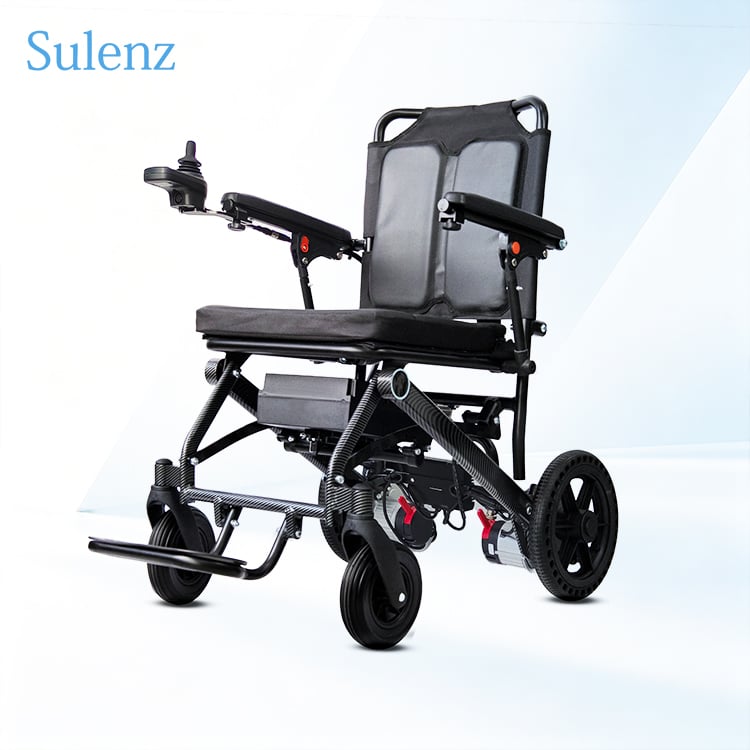
A one-piece footrest, also known as a central footboard or integrated platform, is a single wide platform designed to support both feet together. It is typically mounted centrally and can often be flipped up for easier access.

Best Usage Scenarios:

  • Indoor environments with limited space (narrow hallways, small apartments, bathrooms)
  • Users with limited leg movement, spasticity, or contractures who benefit from unified foot support
  • Those who prioritize a compact wheelchair with excellent maneuverability and smaller turning radius
  • Users who mainly rely on caregivers or hoists for transfers
  • People looking for a modern, clean design that’s easy to fold and store

Advantages:

  • Superior compactness and maneuverability
  • Excellent foot stability — reduced risk of feet slipping off
  • Simpler construction with fewer moving parts (higher durability)
  • Quick single-motion flip-up function
  • Better symmetrical posture support

Disadvantages:

  • More challenging for independent side or standing transfers
  • Harder to get close to tables, beds, or counters
  • Less flexible for users with leg length differences or asymmetrical conditions

What Is a Split Footrest?

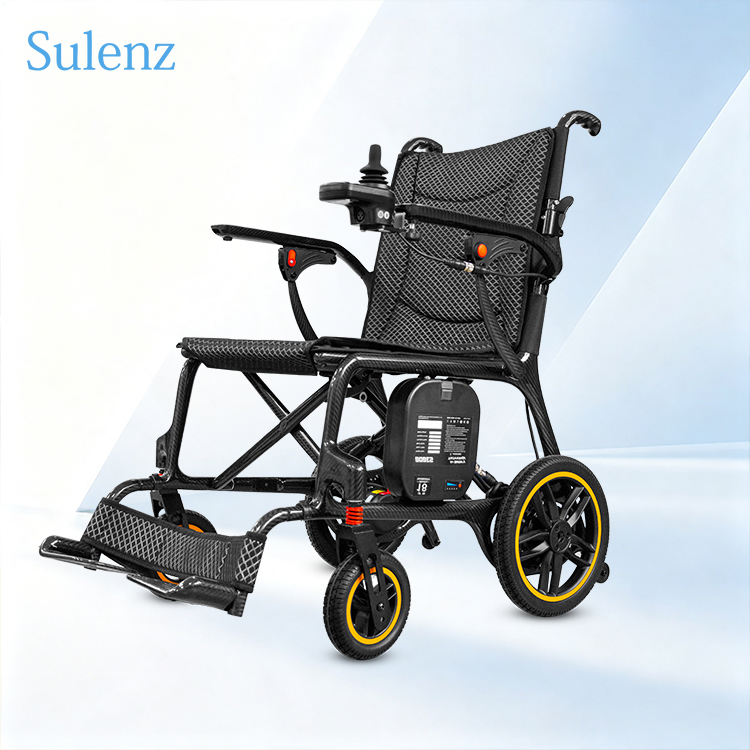
Split footrests (also called double, separate, or swing-away footrests) feature two independent footplates, one for each leg. They can swing away to the side, flip up, or be removed entirely.

Best Usage Scenarios:

  • Frequent transfers (bed ↔ chair, car ↔ chair, toilet transfers)
  • Users with leg length discrepancies, edema, or needing individual leg positioning
  • Outdoor and multi-terrain use where close access to surfaces is important
  • Active users who get in and out of the wheelchair multiple times daily
  • Situations requiring easier caregiver assistance

Advantages:

  • Significantly easier and safer transfers
  • Individual adjustability for height, angle, and leg position
  • Better access to tables, desks, sinks, and other surfaces
  • Highly flexible for various medical conditions and daily activities

Disadvantages:

  • Slightly larger overall footprint and turning radius
  • More moving parts may require occasional maintenance
  • Potential for feet to slip between plates if not properly secured

Quick Comparison Table

Feature One-Piece Footrest Split Footrests
Maneuverability Excellent Good
Transfer Ease Moderate Excellent
Foot Stability Excellent Good
Adjustability Limited High (per leg)
Indoor Tight Spaces Best Good
Outdoor / Active Use Good Best
Maintenance Lower Moderate

Buying Guide: How to Choose the Right Footrest

  1. Evaluate Your Daily Routine Frequent transfers? → Choose split footrests. Mostly indoor use in confined spaces? → One-piece is often better.
  2. Consider Your Physical Needs Symmetrical legs and good stability → One-piece. Different leg lengths, swelling, or specific positioning needs → Split footrests.
  3. Think About Your Living Environment Measure doorways, turning areas, and transportation requirements.
  4. Key Features to Look For
    • Flip-up or swing-away mechanisms
    • Height and angle adjustability
    • Anti-slip surface and safety foot straps
    • Optional elevating leg rests
    • Weight capacity and overall durability
  5. Always Test If Possible Comfort and real-world performance can only be fully assessed by trying both types.

Conclusion

There is no single “best” footrest type — the right choice depends on your unique lifestyle, physical condition, and daily needs. Many users find that split footrests offer greater independence for active lifestyles, while one-piece footrests excel in compactness and stability for indoor-focused users.

As a professional wheelchair manufacturer, Sulenz offers both one-piece and split footrest configurations across our full range of electric wheelchairs. Our team can help you find the perfect model that matches your specific requirements.

Consult Sulenz today — we’ll recommend the most suitable electric wheelchair and footrest solution for you. Contact us to discuss your needs and experience reliable, personalized mobility support.

one piece vs split footrest on electric wheelchairs usage scenarios and buying guide-0
one piece vs split footrest on electric wheelchairs usage scenarios and buying guide-1

Get a Free Quote

Name
Recruit Distributors
Would you like to join us?
Email
Company Name
Mobile
Message
0/1000