1. வசதி (மிகப்பெரிய வேறுபாடு) ce )
- பாரம்பரிய நாற்காலிவண்டி : நிலையான உட்காரும் நிலை. நீண்ட நேரம் பயன்படுத்துவதால் முதுகு வலி, அழுத்த புண்கள், கால்களில் வீக்கம் மற்றும் சுவாசத்தில் அசௌகரியம் ஏற்படும்.
- மின்சார சாயும் நாற்காலி : 12°–180° பல-கோண சரிசெய்தல் (சிரசு தாங்கி + கால் தாங்கி இணைக்கப்பட்டவை). அரை-சாயும், முழுமையாக சமதளமான மற்றும் சுழிய-ஈர்ப்பு நிலைகளை ஆதரிக்கிறது. ஓய்வெடுக்க அல்லது தூங்க எப்போதும் ஒரு தட்டச்சு சுவிட்ச்.
- நன்மை : அழுத்த புண்கள் ஏற்படுவதற்கான அபாயத்தை குறிப்பிடத்தக்க அளவில் குறைக்கிறது, இரத்த ஓட்டம் மற்றும் நுரையீரல் விரிவாக்கத்தை மேம்படுத்துகிறது. முதியோர், முதுகெலும்பு காயங்களுக்கு உள்ளானவர்கள் மற்றும் நீண்ட நேரம் உட்காரும் நபர்களுக்கு ஏற்றது.
2. இயக்கத்தின் எளிமை
- பாரம்பரிய நாற்காலிவண்டி : கையால் தள்ளுதல் மட்டுமே. பயனர் வலுவான கை வலிமையைக் கொண்டிருக்க வேண்டும் அல்லது முழுமையாக பராமரிப்பாளர்களின் உதவி தேவைப்படும். சரிவுகள் அல்லது நீண்ட தூரங்களில் மிகவும் களைப்பூட்டும்.
- மின்சார சாயும் நாற்காலி : மோட்டார் இயக்கப்படும் ஜாய்ஸ்டிக் அல்லது தூர கட்டுப்பாட்டு சாதனத்தின் மூலம் எளிதில் கட்டுப்படுத்தக்கூடியது.
- நன்மை கவனிப்பாளர்களின் உடல் சுமையை (குறிப்பாக கீழ் முதுகுப் பகுதியில்) மிகவும் குறைக்கிறது; அடிக்கடி தூக்குதல் மற்றும் மீண்டும் நிலைநிறுத்துதலை குறைக்கிறது.
3. சுகாதாரம் & செவிலியியல் நன்மைகள்
- பாரம்பரிய நாற்காலிவண்டி ஒரே நிலையிலான உட்கார்ந்த நிலை; மருத்துவ கவனிப்பு செயல்பாடுகள் மிகக் குறைவு. நீண்ட கால பயன்பாடு பிரச்சினைகளை மோசமாக்கலாம்.
- மின்சார சாயும் நாற்காலி துல்லியமான கோண சரிசெய்தல் மீட்பு உதவியை மேம்படுத்துகிறது (சிரை திரும்பும் ஓட்டத்தை ஊக்குவிக்கிறது, கால்களில் வீக்கத்தைக் குறைக்கிறது, சளியை வெளியேற்றுவதில் உதவுகிறது). பல மாதிரிகளில் அழுத்த பரவல் மாற்று வடிவமைப்பு உள்ளது.
- நன்மை எளிய அசைவு கருவியிலிருந்து உண்மையான செவிலியியல் உதவி சாதனமாக மாற்றம் செய்யப்பட்டுள்ளது. மருத்துவமனைகள், செவிலியியல் மையங்கள் மற்றும் வீட்டு கவனிப்பு சூழல்களில் குறிப்பிடத்தக்க மதிப்பு வாய்ந்தது.
4. அசைவுத்தன்மை & பயன்பாட்டு எல்லை
- பாரம்பரிய நாற்காலிவண்டி மனித சக்தியால் இயங்கும்; குறுகிய தூரங்களுக்கு மட்டுமே ஏற்றது, மேலும் சமதள பகுதிகளில் மட்டுமே பயன்படுத்தக்கூடியது. வெளியே பயன்பாட்டிற்கு மிகவும் கட்டுப்படுத்தப்பட்டது.
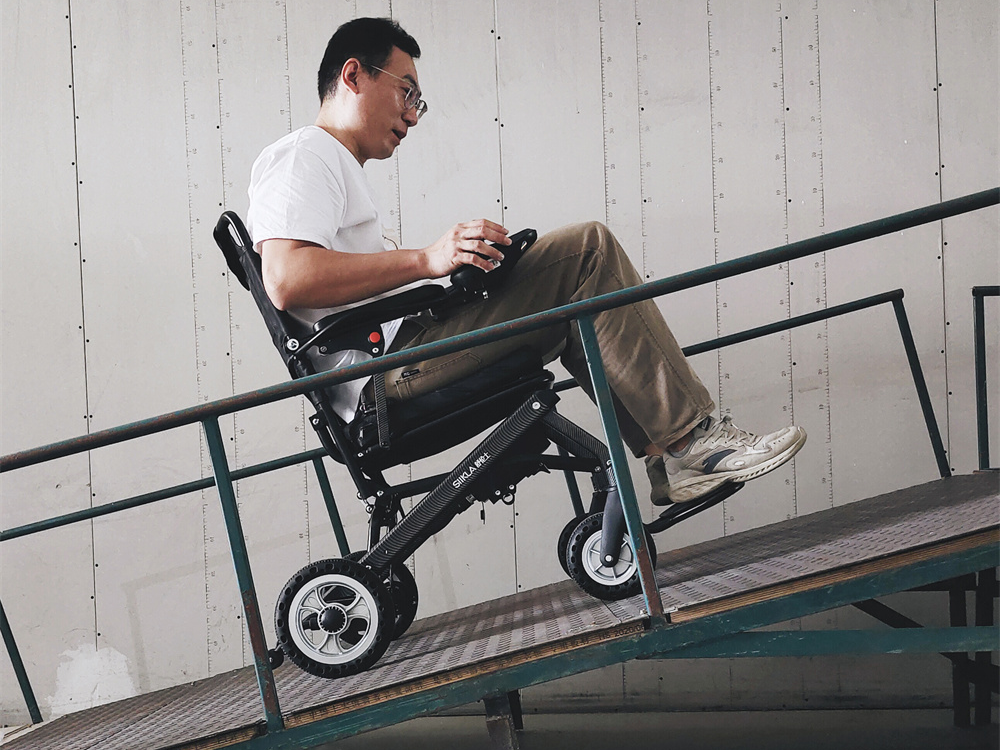
- மின்சார சாயும் நாற்காலி : வலுவான மோட்டார் + பெரிய மின்கலம் சாய்வுகள், புல்வெளிகள், மால்கள் மற்றும் நீண்ட தூரங்களை எளிதில் கையாளும்.
- நன்மை பூங்கா வெளியீடுகள், பயணம் மற்றும் வாங்குதலை சாத்தியமாக்குகிறது. பயனர்கள் சோர்வாக இருந்தால் ஓய்வெடுக்க படுத்திக் கொள்ளலாம் — உண்மையில் “எங்கு வேண்டுமெனிலும் செல்லலாம்”.
5. பயனர் அனுபவம் மற்றும் மரியாதை
- பாரம்பரிய நாற்காலிவண்டி செயலில்லாதது, ஒருவித முறையில் திரும்பும் தன்மை மற்றும் சோர்வூட்டுவது. பெரும்பாலும் கட்டுப்பாட்டின் உணர்வை ஏற்படுத்துகிறது.
- மின்சார சாயும் நாற்காலி அறிவுசார், வசதியானது மற்றும் அதிக சுதந்திரம் கொண்டது. பயனர்கள் தங்கள் உடல் நிலையை தாமே சரிசெய்து கொள்ளலாம் மற்றும் சிறந்த தோற்றம் மற்றும் தன்னம்பிக்கையை பராமரிக்கலாம்.
-
நன்மை வாழ்வின் தரத்தையும், உளவியல் மரியாதையையும் மேம்படுத்துகிறது. வசதியை மதிக்கும் இளைஞர் முட்டாள் பயனர்கள் மற்றும் குடும்பங்களால் மிகவும் விரும்பப்படுகிறது.
அளவிடப்பட்ட நன்மைகளின் சுருக்கம்
- வசதியில் அதிகரிப்பு நிலையான உடல் நிலை → பல-கோண மின்சார சாய்வு, அழுத்த புண் அபாயம் 50% க்கு மேல் குறைக்கப்பட்டுள்ளது
- கவனிப்பு திறன் : அடிக்கடி கையால் தூக்குதல் → சிகிச்சை வழங்கும் முயற்சி 60–70% குறைக்கப்பட்டது
- பயண வீச்சு : கையால் தூக்கும் தூரம் குறைவு → நடுத்தரம் முதல் நீண்ட மின்சார வரம்பு, செயல்பாட்டு ஆரம் 3–5 மடங்கு விரிவாக்கப்பட்டது
-
அதிக பயன்பாட்டுத் தன்மை : மிதமான இயக்க சிரமங்கள் மட்டுமே → வயதானவர்கள், பக்கவாத நோயாளிகள், முதுகெலும்பு காயங்கள், அறுவைசிகிச்சைக்குப் பிந்தைய மீட்சி, மற்றும் கடுமையான செயலிழப்புகள் ஆகியோருக்கு ஏற்றது
மரபுவழி சக்கர நாற்காலிகள் எளிதாக போக்குவரத்து செய்கின்றன. மின்சார சாய்வு சக்கர நாற்காலிகள் செல்லும் வசதியான ஓய்வு படுக்கைகள் .
T உங்களை நகர வைக்கின்றன மற்றும் உண்மையில் ஓய்வெடுக்க அனுமதிக்கின்றன, வாழ்விற்கு சுதந்திரத்தையும் மரியாதையையும் மீண்டும் திருப்பித் தருகின்றன.


 EN
EN
 சூடான செய்திகள்