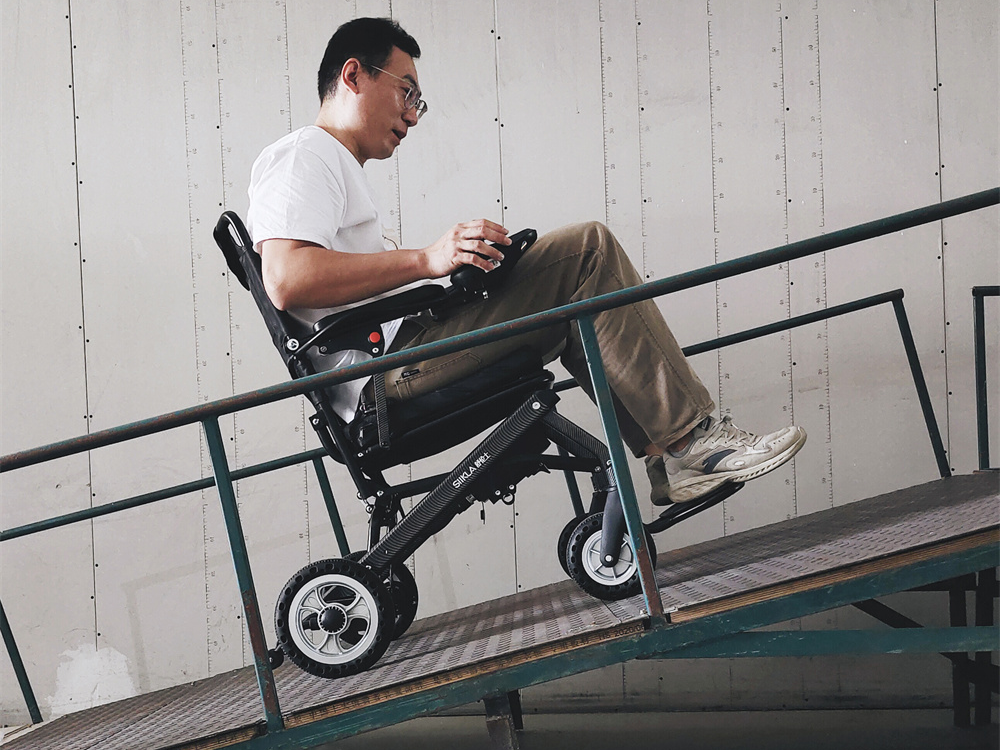
Shock absorption, also known as suspension systems in wheelchairs, is designed to reduce vibrations, impacts, and jolts transmitted from uneven surfaces to the user. These systems use springs, elastomers, monoshocks, or in-wheel mechanisms to improve comfort, minimize fatigue, and help prevent secondary injuries such as pain, pressure sores, or spinal stress. While highly beneficial in certain situations, suspension is not essential — or even desirable — for every wheelchair user or environment.
Application Scenarios Where Shock Absorption Is Highly Beneficial
-
Outdoor and Rough Terrain Use Wheelchairs with suspension excel on uneven surfaces like gravel paths, sidewalks with cracks, cobblestones, ramps, or light off-road trails. Larger obstacles (e.g., curbs, door thresholds, or small drops) generate significant shocks that suspension systems can absorb, resulting in smoother rides and reduced peak accelerations to the seat and user’s body.
-
Long-Distance or Frequent Travel Users who spend extended time in their wheelchair benefit from reduced whole-body vibration. This helps lower fatigue, back/neck pain, and the risk of discomfort on patterned or bumpy surfaces.
-
Users with Specific Medical Needs Individuals with spinal cord injuries, sensitive skin, osteoporosis, arthritis, or conditions that make them vulnerable to jolts gain significant comfort and protection. Suspension can keep vibrations within safer ranges according to standards like ISO 2631-1.
-
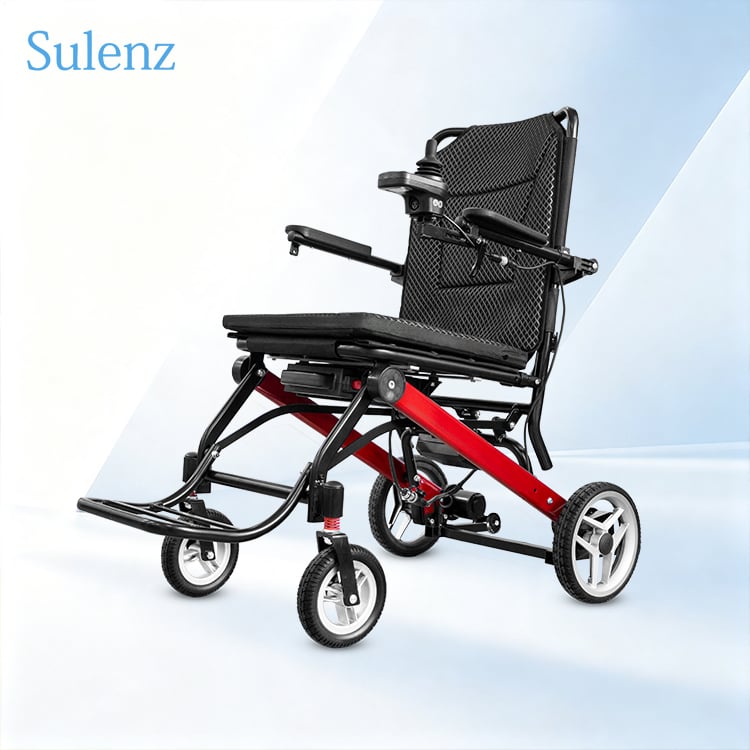
Powered Wheelchairs and All-Terrain Models Many mid- to high-end power wheelchairs incorporate suspension for better stability, obstacle climbing, and comfort across varied environments, including outdoor adventures.
-
Active or Sports Users on Mixed Surfaces Rear-wheel or in-wheel suspension helps maintain propulsion efficiency while cushioning impacts during daily activities or recreational use.
Common Suspension Types: Rear-wheel suspension, front caster suspension, in-wheel spring systems, and full-frame independent suspension.
What Wheelchairs Typically Do NOT Need Shock Absorption
Not every scenario requires (or benefits from) suspension. In fact, adding it can introduce drawbacks like added weight, higher maintenance, increased rolling resistance, or reduced maneuverability.
-
Primarily Indoor Use on Flat, Smooth Surfaces In homes, shopping centers, hospitals, or offices with level flooring, basic rigid or folding manual wheelchairs perform excellently without suspension. Extra suspension may make the chair heavier and slightly harder to propel or turn precisely.
-
Transport / Attendant-Pushed Wheelchairs Lightweight transport chairs used occasionally by caregivers in controlled environments (airports, hospitals) prioritize portability and simplicity over ride comfort features.
-
Active User / Ultralight Rigid Frame Wheelchairs for Sports or Daily Propulsion Many competitive or high-performance manual wheelchairs favor rigid frames without suspension to maximize energy efficiency. Every bit of flex or absorption can reduce propulsion effectiveness for strong users who prefer direct power transfer.
-
Short-Distance or Low-Activity Users Users with minimal daily travel or those who mainly use the chair for transfers may not encounter enough rough terrain to justify the added complexity and cost.
-
Budget or Basic Models Entry-level wheelchairs often omit suspension to keep them affordable, lightweight, and low-maintenance. Solid or foam-filled tires paired with good cushions can provide adequate basic comfort indoors.
Trade-offs to Consider: Suspension systems add weight (affecting portability and propulsion effort), require more maintenance, and may complicate curb negotiation in some designs. On perfectly flat surfaces, a rigid setup often feels more responsive.
Choosing the Right Option
-
Test in real conditions: Always test the wheelchair on the surfaces the user encounters most often.
-
Combine with other features: A quality pressure-relieving cushion, proper seating, and appropriate tire choice (pneumatic for some absorption vs. solid for durability) can complement or sometimes replace the need for frame suspension.
-
Professional Guidance: Consult a physical therapist, occupational therapist, or mobility specialist for personalized assessment.
Conclusion Shock absorption in wheelchairs is a valuable feature for enhancing comfort and safety in outdoor, uneven, or high-vibration environments. However, for indoor, flat-surface, or performance-focused use, many users are better served by simpler, lighter, rigid designs without suspension. The best wheelchair matches the individual’s lifestyle, terrain, and physical needs — prioritizing function, comfort, and independence above all.


 EN
EN
 Hot News